It’s been another busy week in the garden. Why go to the gym or participate in YT walking workouts when you have plants to tend and seeds to sow? Only yesterday, I completed over 5000 steps walking back and forth and round and round on a mission to complete my list of gardening tasks.
SNAKES!!!
Yep, and I didn’t scream! Nope, not even a squeak.
The first snake I discovered was sunbathing in my plant nursery area by the honeysuckle, which grows over the trellis and is adjacent to the log pile. I froze as this huge greenish snake about 6ft long looked at me before it wound itself up through the trellis and then slithered over the wall into the neighbour’s garden. It was a Western Montpellier Snake
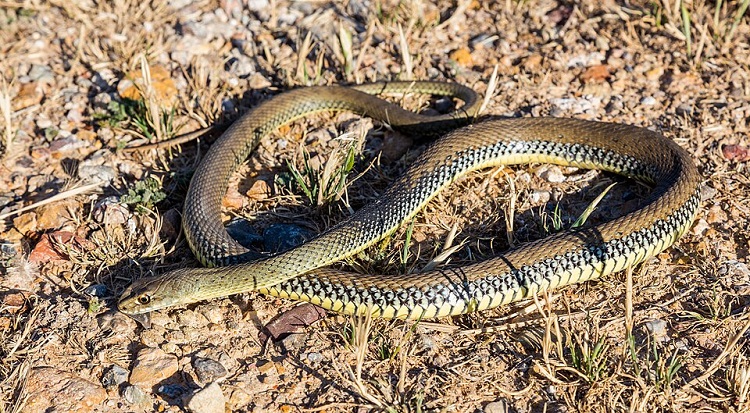
No, I didn’t take the photo. I identified via wiki: photo credit Snake: By Diego Delso, CC BY-SA 4.0, https://commons.wikimedia.org/w/index.php?curid=63025809
The second … Goodness knows what it was. I just saw something with a long tail slither into the hedge.
The third … I was planting up the red peppers into one of the raised beds. I’d dug a small divot to accommodate the plant and was just about to insert when I spotted a brown, fat worm about 4 inches long (or at least that is what I initially thought) slithering across the earth before it disappeared. I never realised snakes could bury themselves in topsoil and actually disappear. I blinked. Backed away. Where was the mother? Did it have any brothers or sisters?
Gloves
The snake incident above was a good reminder to always wear gloves when gardening, because you never know what is lurking in our sandy soil… especially scorpions.
Thrips
Sigh… there is never a dull moment: my baby cucumber and aubergine plants have a thrip infestation.
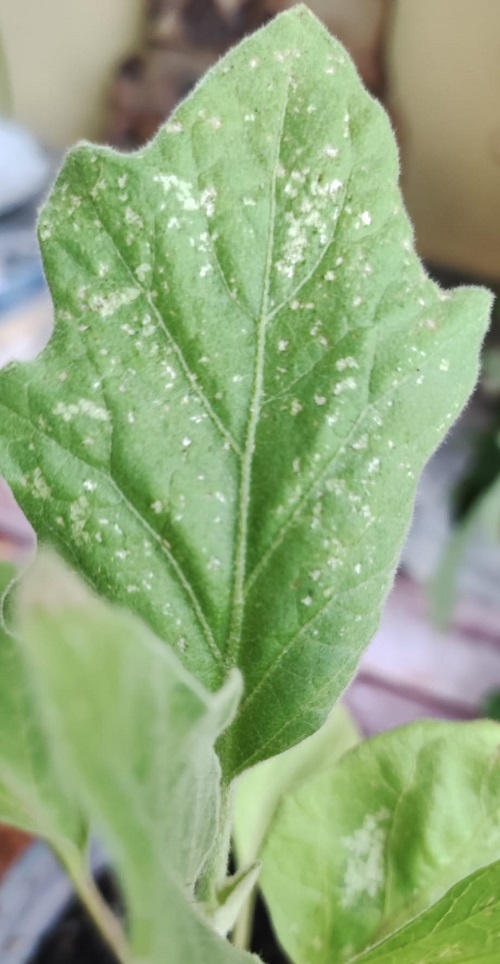
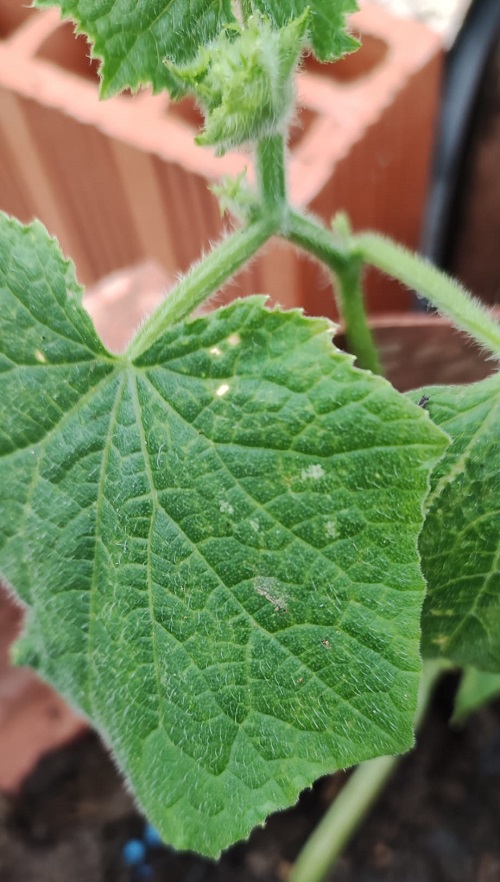
I asked AI for advice:
Thrips can be particularly troublesome on aubergines (eggplants) and peppers because they feed on young leaves, flowers, and developing fruit.
AI recommended
- Inspect flowers closely
- Thrips often hide inside the flowers, where they’re protected from sprays.
- Gently shake flowers over a white sheet of paper; tiny slender insects moving around are often thrips.
- Remove heavily infested flowers or leaves
- This can reduce the population quickly.
- Spray thoroughly
- Use insecticidal soap, horticultural oil, or a neem-based product approved for edible crops.
- Cover the undersides of leaves and flowers as much as possible.
- Repeat every 5–7 days for several weeks.
- Use blue or yellow sticky traps
- Place them near the plants to catch adult thrips and monitor whether numbers are decreasing.
- Keep weeds under control
- Thrips often breed on weeds and then move onto vegetables.
- Check for virus symptoms
- Thrips can spread plant viruses. If a plant develops severe leaf distortion, unusual ring spots, or widespread stunting, it may be infected and should be removed to protect nearby plants.
How do you control thrips?
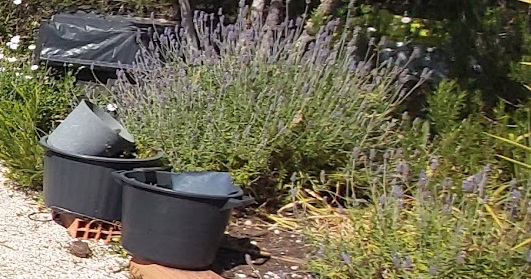
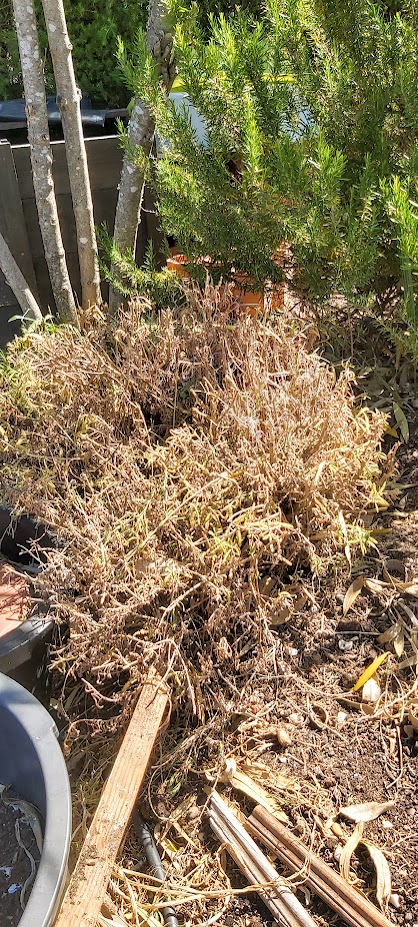
Pruning Lavender
Our lavender grows like a weed and quickly gets out of control so I (rather Mr P) cut it right back with the shears. Looking at this photo, it also needs watering
Now for the Smiles
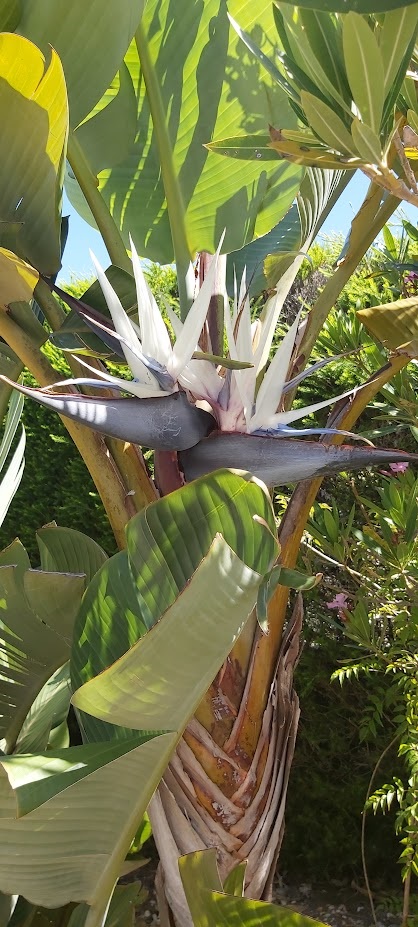
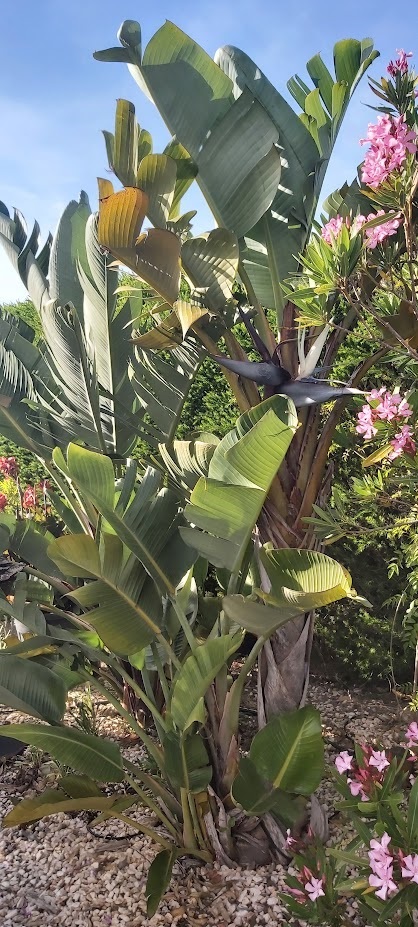
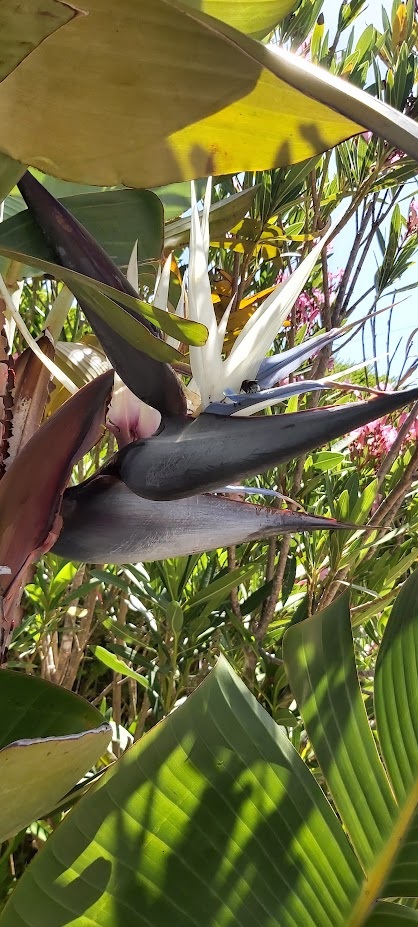
White Bird of Paradise – Strelitzia nicolai
So beautiful!
Oleanader
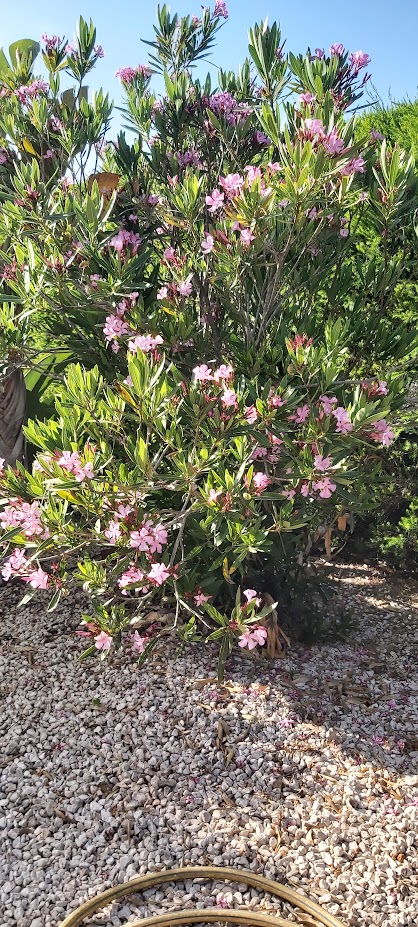
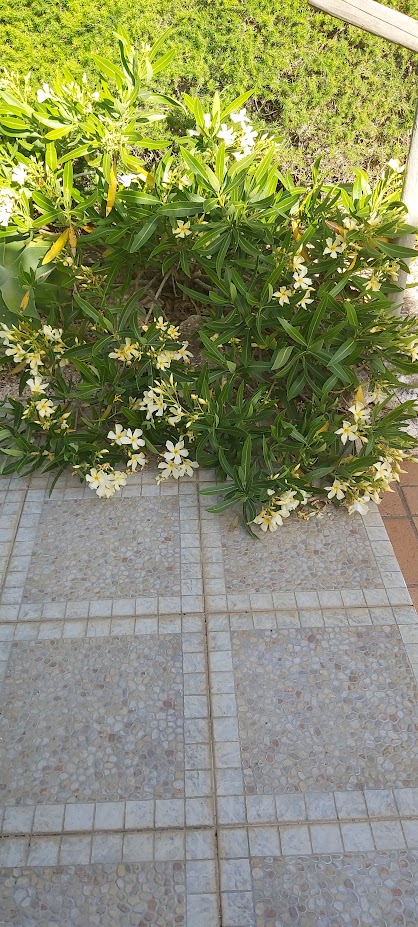
That’s it for my Gardening Six for this Saturday, folks. Thanks to Jim for hosting this weekly garden Meme.


Fabulous plants ❤️ Bit worried anout the wild life though 🐍
LikeLike
I really was thinking you were brave to take that good snake shot! Hehe.
LikeLike
I know snakes in the garden are a good thing, but I’m afraid of them, too. I try to spray around with neem oil or hort. soap, but I’m not very consistent about it. White flies drive me crazy, so I should try to do better. The white blooming Bird of Paradise is fabulous!
LikeLiked by 1 person
Oops, that sounds like I’m spraying the snakes… no I meant the bugs lol
LikeLiked by 1 person
Hi Tracy, haha I wish I could spray the snakes with soap to teter them :) The WHite bird of paradise are truly amazing this year. Do yo have any?
LikeLike
Hello! I just found your blog this week. Wow! So many snakes. Reminds me of my years in Africa. I was so used to them and well trained since primary school on how to behave around snakes, that I was never scared of them growing up. I’m sure if I saw one these days it’d be a whole different story! :D
That Strelizia is stunning! I don’t think I’ve ever seen a white one. I look forward to following and maybe participating next Saturday.
LikeLiked by 1 person
Hi Char, thanks for stopping by and leaving a comment. The thing that now worries me about snakes is that since one of them reared and chased me I am terrified. It was on our garden path so not even in a garden bed. How do you behave around snakes? On this occasion I just stood very still. as it started to move.
Yep, the Strelizia is stunning this year. the best display yet.
LikeLike
That snake is quite pretty! I wish I had a few (maybe I do) to help work on the voles. kind of don’t use anything but hand picking to get rid of bugs. I fugre eventually something that eats the problem insect will come along. Except for Japanese beetles which are the devil. I will start seeing them in about w week. They emerge just in time to eat my Echinacea purpurea. I hand pick, avoid watering my lawn (so they do not have a good place to lay eggs) and I deposited milky spore all over the lawn about 5 years ago. I went from picking 300/month to 30/season. Good luck with the thrips! I love most insects but when they destroy everything or prevent me from eating my vegetables, that is a step too far! My local bunny is (for the moment) eating native plants and not my vegetables…We will see hoe that goes!
LikeLiked by 1 person
Goodness, Win. You were lucky to reduce the population of Japanese beetle
that’s quite a result!
LikeLike
Wow, so jealous about the snakes! I have always loved them, but we don’t get many – or probably any – here. Of course, I can safely love them because none of the UK ones are truly dangerous.
The bird of paradise is beautiful, and such an unusual colour!
LikeLiked by 1 person
Jealous of snakes LoL… I will send some your way when I discover where the rest of the baby snakes’s family is lurking!
Yep, the bird of paradise is beautiful
LikeLiked by 1 person
For thrips, I use blue or yellow sticky traps and also comfrey or nettle manure, I can’t remember which one ( spraying ) > Bravo for the strelitzia !
LikeLiked by 1 person
thanks Fred, I will conduct further research :)
LikeLiked by 1 person
Your bird of paradise and oleander are amazing!! I’ve read that it is good to have snakes in the garden, to keep rodents aways, but they would have startled me too..
LikeLiked by 1 person
Hi Maria, yes the snakes do help to keep the rodent population in check but sadly they also eat the lizards and geckos :( Ho hum :)
LikeLike
Hoo-boy! This post made my skin crawl. I suppose when you garden in a warm climate, you have to make peace with snakes.
LikeLiked by 1 person
Hi Laurie, me trying to make peace with the snake is like… erm… I am absolutely terrified to the point I have nightmares. Not everyone here is lucky enough to have them. A friend who has lots of land and lives in the country has never seen one but she has a dog….
LikeLiked by 1 person
Same here! I have such a phobia of them. Hope you don’t see anymore.
LikeLike
No thank you on the snakes, Carole. They’re on my “don’t care to ever meet” list. I’m not certain if I’ve ever seen evidence of thrips, so I don’t have anything to offer in terms of control or eradication. Thanks to your helpful post, I’ll be watching for them now when we return to Texas and my flower beds there.
LikeLiked by 1 person
Hi Terry, I am unlucky that the snakes have made my garden their home. I spoke to someone with a rural house and a lot of land and she sid she’d never seen any… but then she has a large dog. Maybe that is the answer we need a dog. … I wish… Mr P is allergic to cats and dogs.
LikeLiked by 1 person
I’d find a spot for the Strelitzia if it ever gets warm enough here, snakes not so much, unless they eat slugs.
LikeLiked by 1 person
Hi Jim, I don’t think snakes eat slugs. I wish they did, more rats, mice and lizards I believe. You could grow the Streliza in the green house in a pot to keep it contained. It has tolerated 0C here at night in the past.
LikeLike
I love oleander but the dazzler is the white Bird of Paradise – abeauty. A six foot snake is a bit of a shocker though!
LikeLiked by 1 person
Hi n20… the white Bird of Paradise is truly amazing. I think it has only bloomed once before and not as many flowers. There are still several more to come!
LikeLiked by 1 person
Oleander is very pretty indeed. Snakes can bury themselves into the top soil? Blimey. I would never garden again!
LikeLiked by 1 person
I would not have believed it unless I’d seen it with my own eyes, trowel!
LikeLiked by 1 person