The grey skies, rain and wind returned again this week, so my enthusiasm for gardening lacked momentum. Although, I am proud to say, I did manage some weeding, and as I refuse to use commercial weedkiller, it meant digging out each weed one by one. I do struggle (thanks to blood pressure) to bend down for extended periods so while the mind is willing, the body does not want to cooperate and I have to find alternatives!. I think I might try a spray of dishwasher salt and vinegar. What do you think?
My regular followers have seen the best of my garden, so I thought it was time to show you the worst and just some of the challenges I face. I so wish there were a plant hospital. An ER/ A&E for plants.
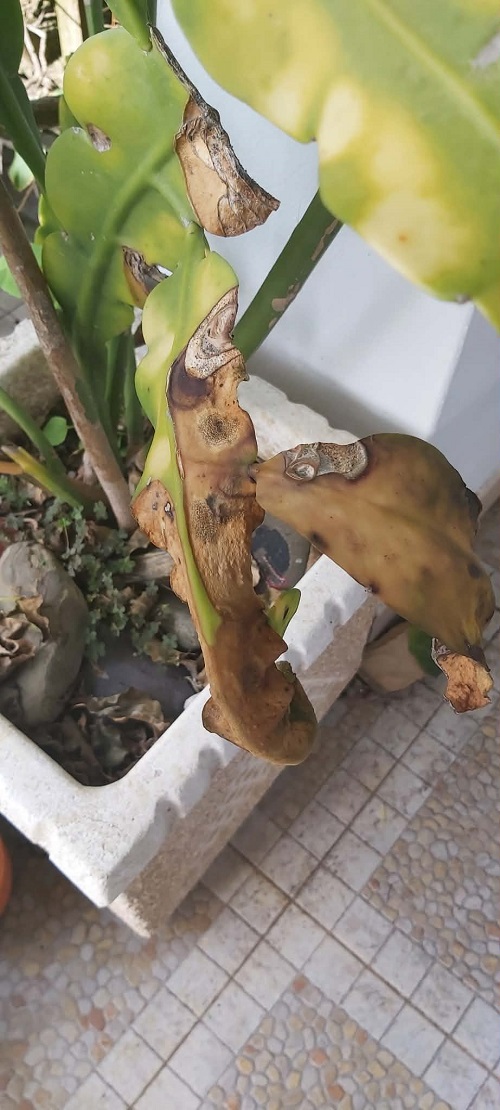
Brown Marks on The Leaves of My Queen of the Night
My Queen of the Night is ancient. A 10-year-old may be more. The problem started as yellow marks on the leaves with some brown marks, so I asked a FB Succulent Group. I was assured there was nothing to worry about and it was just cold. I disagreed, argued we’ve had far colder nighttime temperatures, and it has never complained. They ganged up and doubled down on their prognosis, and this is the result.
I think it is probably fungal. Thoughts?
I’ve now removed the infected leaves/branches. Has anyone else had this problem?
ETA 2.5 hrs research revealed it could be https://bioprotectionportal.com/resources/anthracnose-how-to-identify-prevent-treat-the-harmful-fungi/
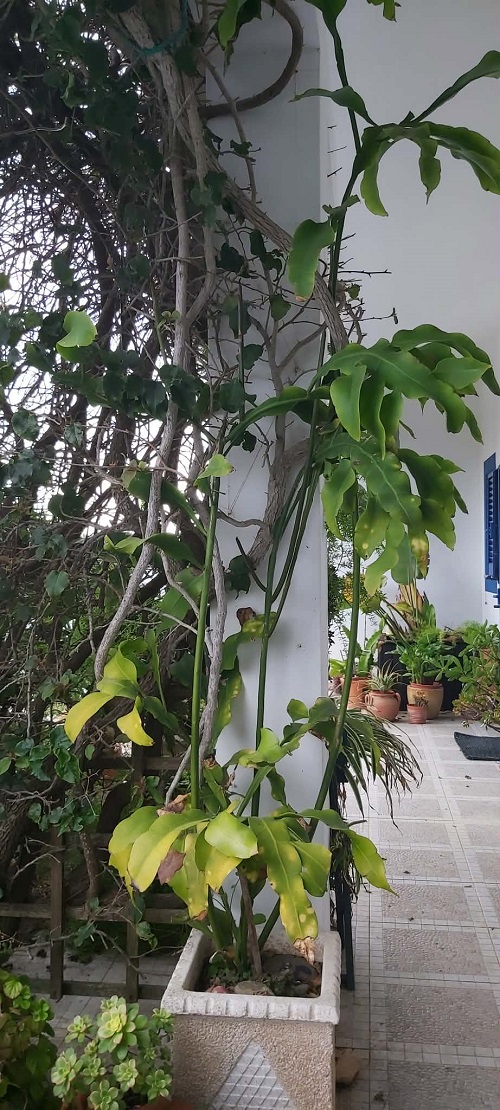
Yellowing Leaves on Diplandenia and Hibiscus
Just got to figure out whether it is too much or not enough water. They are undercover.
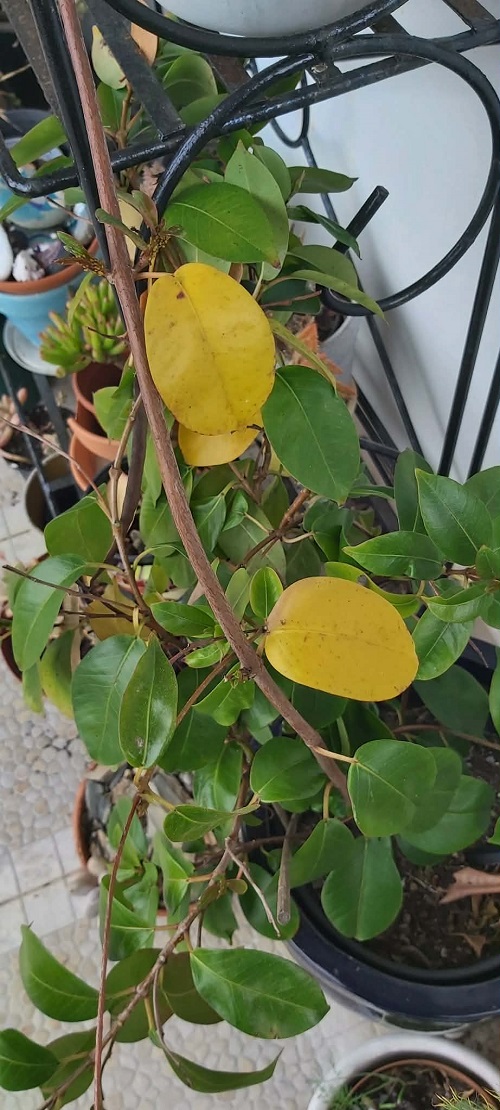
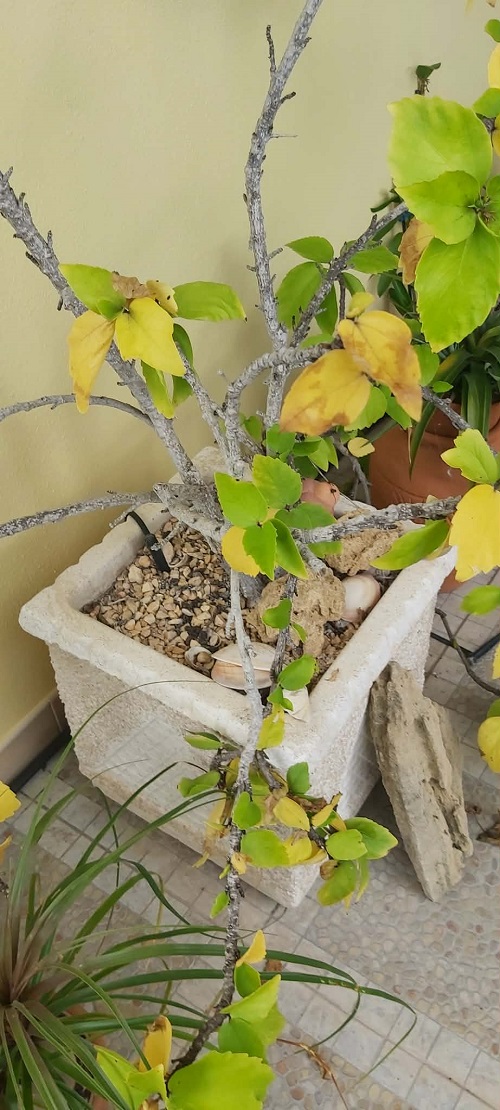
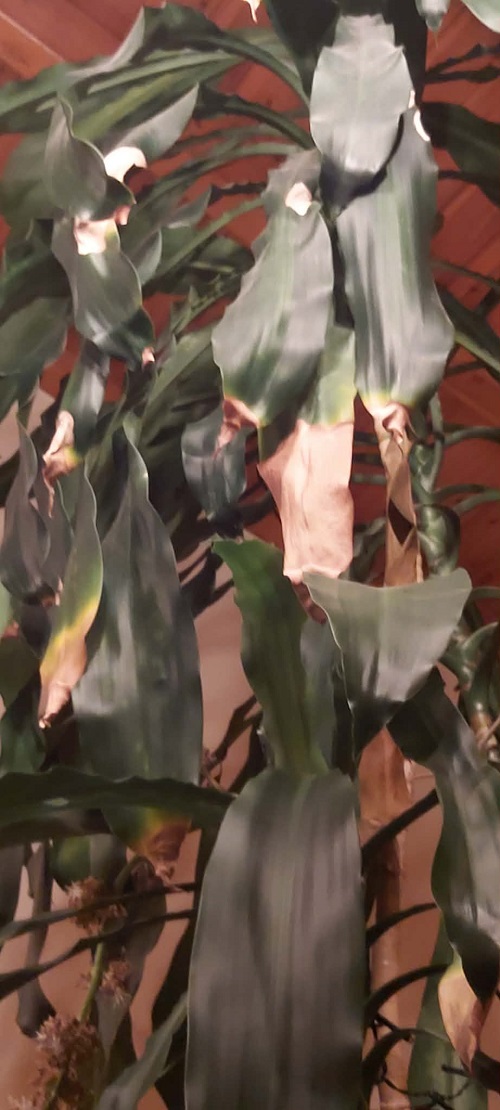
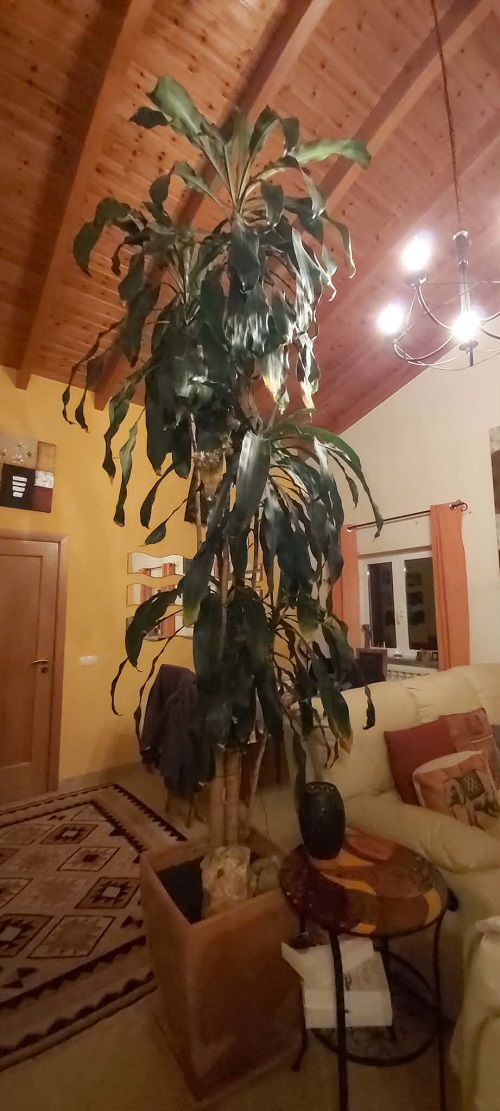
Dracaena Fragrans
My Dracaena Fragrans is also suffering. We completely repotted with new soil last year and found only a small rootball remained. Hence the rocks to stop it from toppling over.
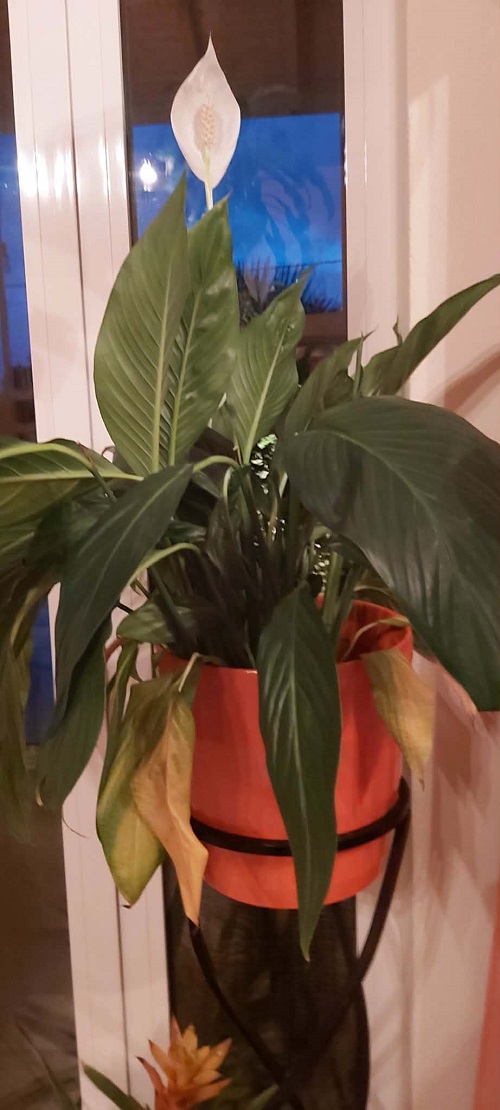
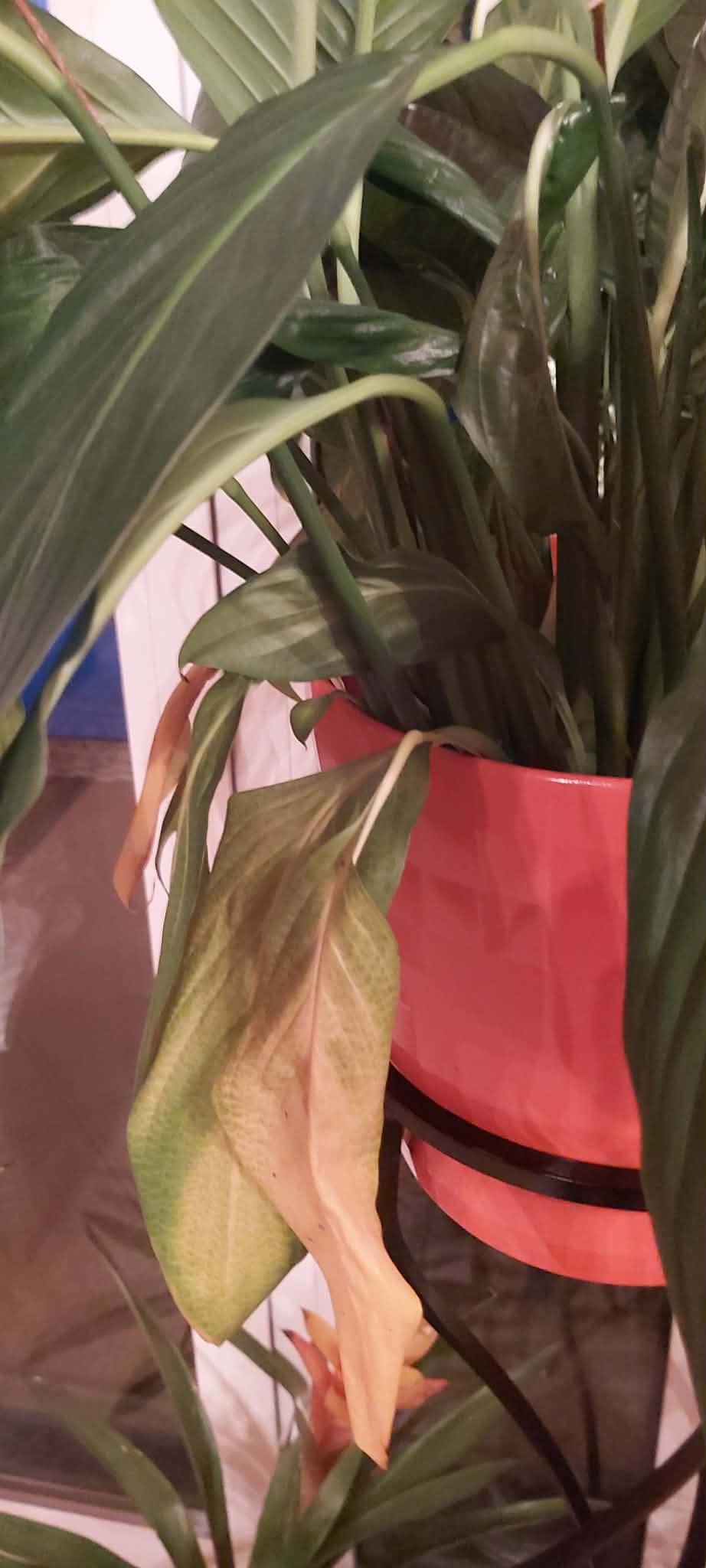
Peace lilies (Spathiphyllum wallisii)
Another case of too much or not enough water.
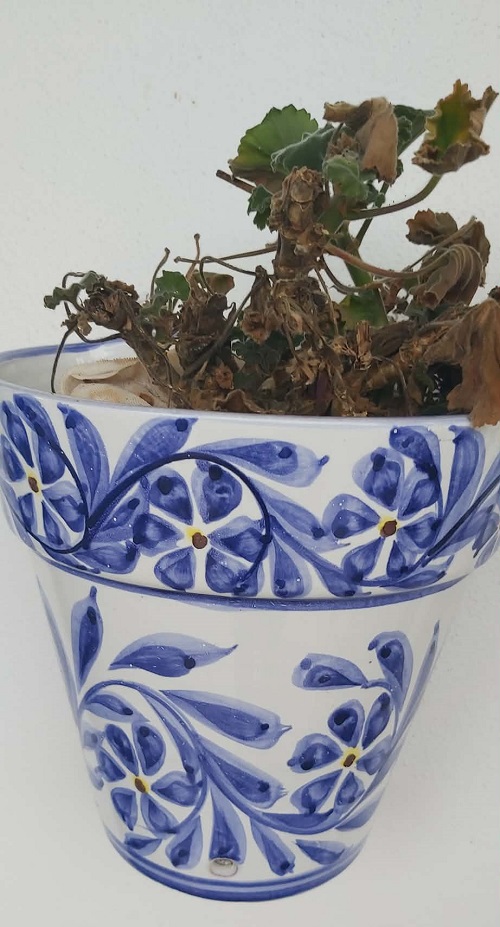
Geranium
I feel another trip to a garden centre is warranted. This plant has lasted 18 months, so I can’t complain.
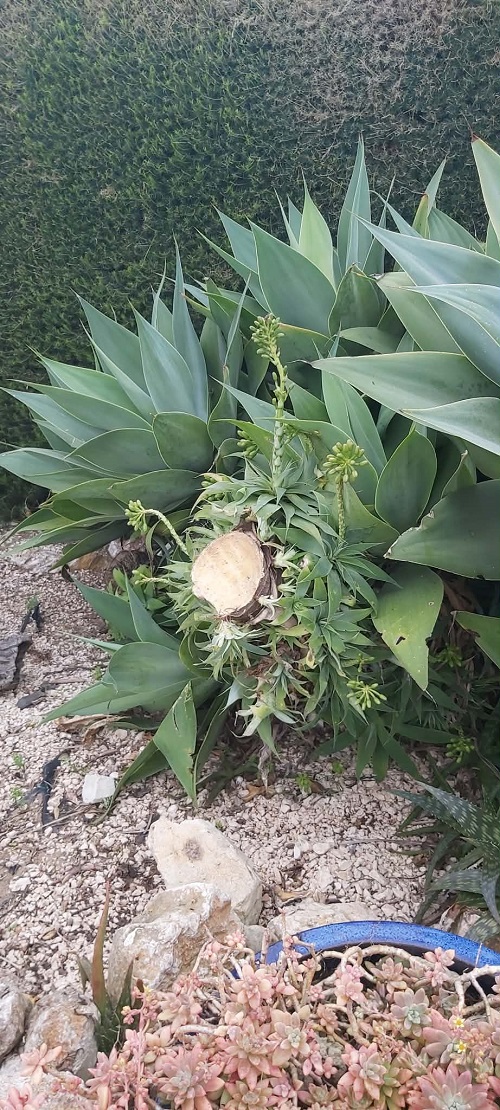
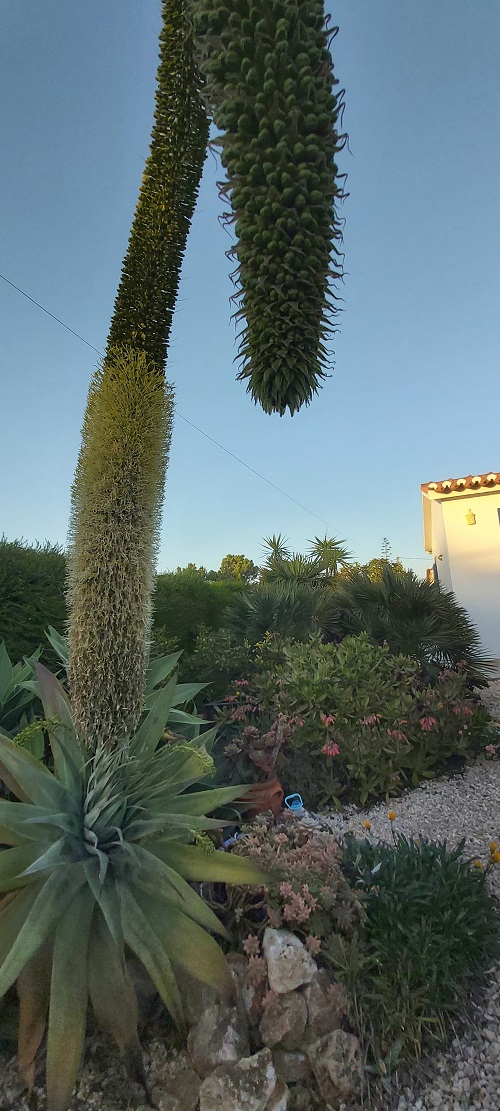
Agave Attenuata Flower Gets the Chop
We finally said goodbye to the Agave Attenuata flower as it had grown SO big it was towering across the driveway. I did wait a few days for the cut to dry, and then sealed it with a special wax-like product a friend had gifted me years ago. He used it when pruning trees.
That’s my six tales of woe for this week, folks.
My thanks to Jim, our Six on Saturday gardening host.

 Piglet in Portugal
Grand plants there!
LikeLiked by 1 person
Most gardeners have such woes! Yet onward we garden, forever hoping.
LikeLiked by 1 person
Hi Laurie, gardening is certainly a challenge!
LikeLiked by 1 person
Ugh to the cold weather again – I hope you are warming up? Under watering is always better than over. Especially if it’s not warmed up yet. I had some gross fungus this year too, took out a really nice cactus – I’m no expert though. I think cutting off the affected parts was a good call! I love the foxtail bloom, so dramatic! I get why it was time to cut it.
LikeLiked by 1 person
It’s heartbreaking when you can see a beloved plant dying and you don’t know what to do. I will be cutting more back today and sanitising to secataurs. Sorry for your plant loss.
LikeLike
The agave bloom was really impressive. It looks as if you could take some cuttings using the new growth, and then position them so that when it does flower it would be causing any issues as it is a really spectacular thing to have in the garden.
LikeLiked by 1 person
Hi Noelle, fortunately I do have a couple of other agaves in a better position but sadly they have never flowered
LikeLike
I am definitely no master when it comes to these plants. When I have any part of a plant that doesn’t look healthy I cut it off. They usually survive and thrive…and sometimes…not often, my plants die. I feel with you.
LikeLiked by 1 person
Hi Maria, you are the vegetable queen so you are forgiven :)
LikeLiked by 1 person
I have sympathy for you, and you should know I have no ability to grow anything!
LikeLiked by 1 person
I am sure as a keen chef you must be growing some fresh herbs on your windowledge or balcony :)
LikeLike
I’m wondering if sun scorch might be part of the problem with your queen of the night, perhaps doing some damage that then gets infected with fungus? I was given one a year ago and it’s in worse condition than yours, so I’m also in the market for answers to what conditions it really wants.
LikeLiked by 1 person
Hi Jim, I assume yours is inside? IT’s not sun scorch because we haven’t had any real sun (seriously it has rained since Christmas) and it is undercover so in dappled shade or morning sun (when it does shine) after hours of research I believe my plant has become weakened by the constant moisure humidity which has in turn weakened its resistance which has led to anthracnose. This PDF file lists lots of different plants with pictures…and I have already undetified a few of my other plants are affected. What do you think?
https://bioprotectionportal.com/resources/anthracnose-how-to-identify-prevent-treat-the-harmful-fungi/
LikeLike
I found what seems to me a good account of the conditions that Queen of the Night cactus needs in UK conditions ‘Queen of the Night Cacti’ Care Guide
I read through the article you posted a link to and when it came to treatment they weren’t suggesting much beyond getting the growing conditions right. My plant is getting too much sunlight, is starved, is very pot bound in what looks like terrible compost. It is also getting browsed by slugs and snails. It’s in a greenhouse, so while it doesn’t get frost, it gets far colder in winter than it wants to be. I have also probably been overwatering it, especially so with it being too cold. I feel a little ashamed of myself to be honest, it deserves better.
LikeLiked by 1 person
Hi Jim, it seems from the article I am starving my plant! Also. While it doesn’t get much sunlight in the summer in the winter it does see morning sun because it’s lower.
I think for now I am going to cut off all the infected parts and treat all the other leaves with a fungicide. I also read a mix of bicarb and laundry soap could work and then lost the site before I made a note of the quantities
LikeLike
Bummer! I don’t have any wisdom to impart but I hope you can help some of them recover! Have a great weekend!
LikeLiked by 1 person
Hi Melissa, thanks for stopping by. Fingers crossed! (I think plants and people are all feeling a bit Meh... after this long,wet winter.)
LikeLike
I was going to say the same thing about the geranium but it is the only plant I know anything about. Gardening is not all fun and games that is for sure.
LikeLiked by 1 person
Hi Bernie, yep, I am going to give it a try. We will see.
LikeLiked by 1 person
I have the same spots on some older leaves of my epiphyllum. I was wondering the same thing…
Very impressive and amazing flower of this agave! I love it…!
LikeLiked by 1 person
I think it fungal but I am still waiting for a response from a couple of gardening forums.. I don’t think the prognosis is great.
LikeLiked by 1 person
Fred, I have found a possible answer
https://bioprotectionportal.com/resources/anthracnose-how-to-identify-prevent-treat-the-harmful-fungi/
LikeLiked by 1 person
yes it’s possible , anyway it looks like a fungal disease.
LikeLiked by 1 person
Wow, that agave was massive! Very impressive.
I don’t really know much about houseplants except for the few species I have – hopefully you’ll figure out what each one needs!
LikeLiked by 1 person
Hi KathrinS, thanks for stopping by. Yep, the Agave flowr spike was huge and then not only did it make parking on the drive tricky but it left a black mouldy soot on the tiles. Still, there are still some baby flower spikes to enjoy
LikeLiked by 1 person
I have zero green thumbness when it comes to potted plants, Carole, so am unable to comment with diagnoses or cure suggestions. I’m sure between you and your gardening friends, you’ll get it worked out. Good for you for posting about these problems, as I’m sure this post will help others.
LikeLiked by 1 person
Hi Terry, I sometimes think my green thumbs have retired and I am trapped in a circle of too much or not enough water
LikeLiked by 1 person
Because of my rotor cuff I am doing very little gardening at the moment (just beginning to fill my studio with new baby plants again!) but, to the best of my knowledge, overwatering leads to soft branching and lower yellow leaves, as in your peace lily – dryness in a pot is more shown by the edges of the leaves being ‘patchy’ yellow and brittle to touch. I am very used to saying ‘hello’ to each plant every morning and hoping the 2-minute touch-and-greet ‘talks’ to me :) ! Your huge dracaena would love a somewhat bigger pot methinks and looks dry :) ?
LikeLiked by 1 person
Hi Eha, I love the idea of a morning touch and greet with the plants and I did use to do something similar but sadly that has lapesed over the winter … like a lot of things I started with good intentions.
The dracaena pot is a lot bigger than it looks and is not rootbound. In honesty I probably do not give it enough water. Last year I overwatered and the soild oozed a musty smell so we replaced the soil. That’s when we discovered it had a tiny rootball.
As I was writing this reply I paused and checked my plants with the moisture metre. The dracena was dry and the peace lily only slighty moist.
LikeLiked by 1 person
Cut all the dead bits off the geranium and it will grow back. In UK I have lots now sheltering in a polytunnel, they went mouldy a month ago so I cut off all the tops and theu are now growing new leaves.
LikeLiked by 2 people
Hi Karen, thanks for stopping by, I’ll give it a try.q I can’t see any at the garden centre at the moment so it’s worth a shot. :)
LikeLike