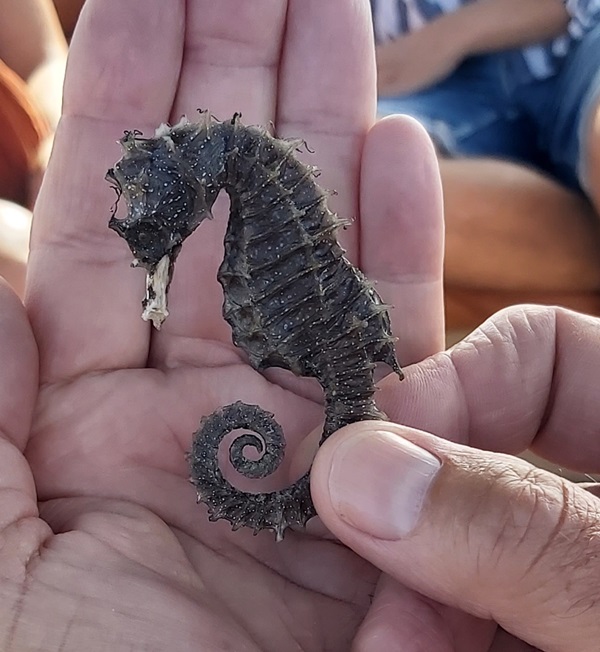
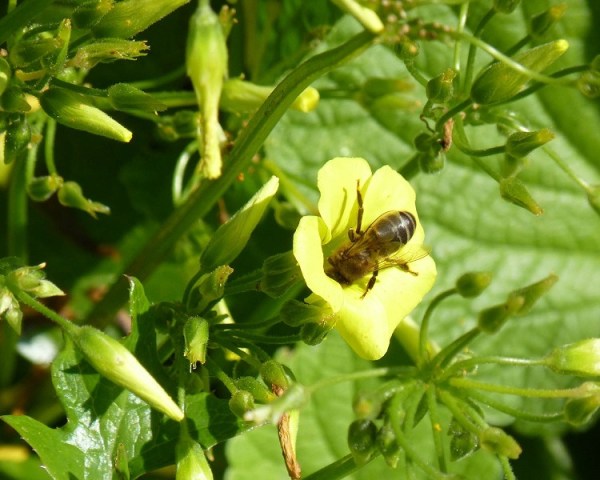
If we were having coffee, I'd tell you it has been a busy week or so. The highlight: we celebrated our 50th wedding anniversary on the 18th October followed by a trip to see our family in France more on that next week. Mr. Piglet secretly planned a boat trip from Olhao to the Ria... Continue Reading →
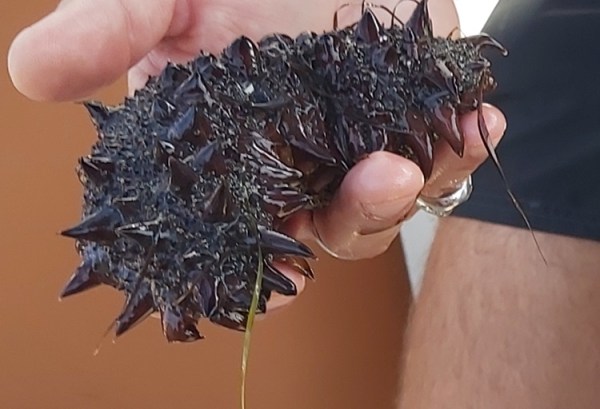
Food on Friday: Sea Cucumbers – Could You Eat Them?
While on a boat trip to one of the islands on the Ria Formosa the boat's skipper proudly introduced us to these slimey critters. Sea cucumbers or “Sea rats” as they are aptly nicknamed by some fishers and divers because of how they move and feed—slowly crawling over the seabed, cleaning up waste and debris... Continue Reading →
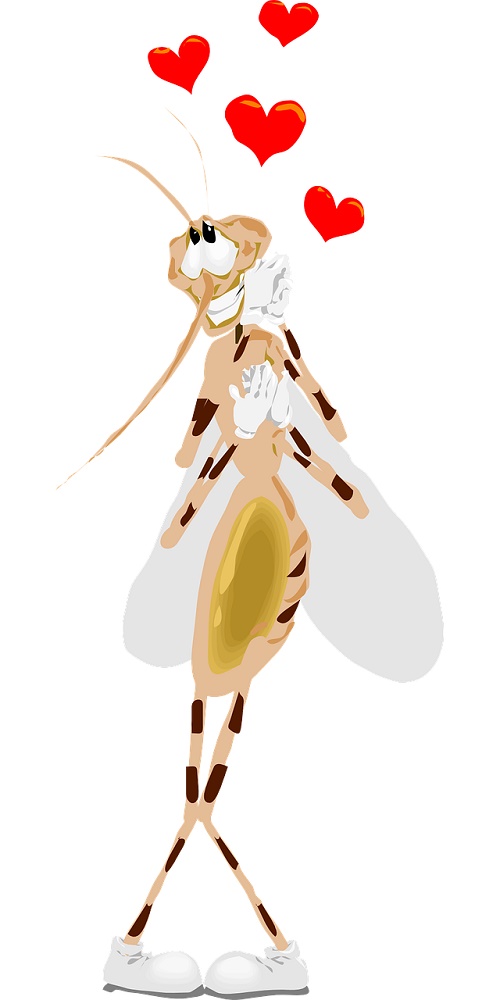
Mosquito Poem: Lucky Jim
I have a pet mosquito he has one hundred livesI like to call him Lucky Jim because he ducks and dives. His agility’s amazing as I chase him with the batUp and down and round and round, it’s surprising I’m so fat! Jim’s such a friendly fellow, a loyal companion by my sideAlthough I’ve tried... Continue Reading →
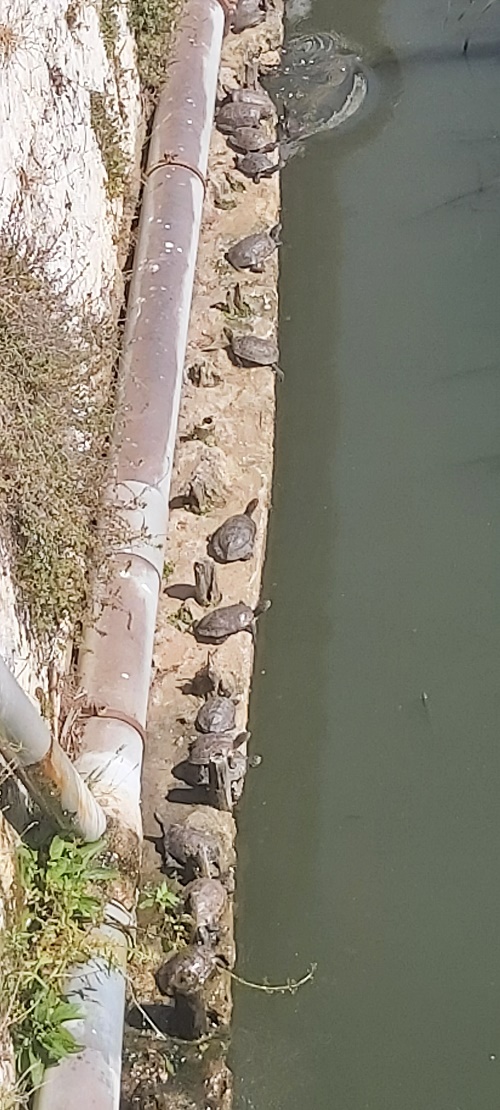
Wildlife in Portugal -Terrapins
We were walking across Ponte Pé bridge in Aljezur when I happened to look down and spotted these little critters basking in the August sunshine! I posted a photograph to the Wildlife in Portugal Facebook group for identification, and I was informed that it was an Iberian Stripe necked terrapins, Mauremys leprosa. Upstream is now... Continue Reading →
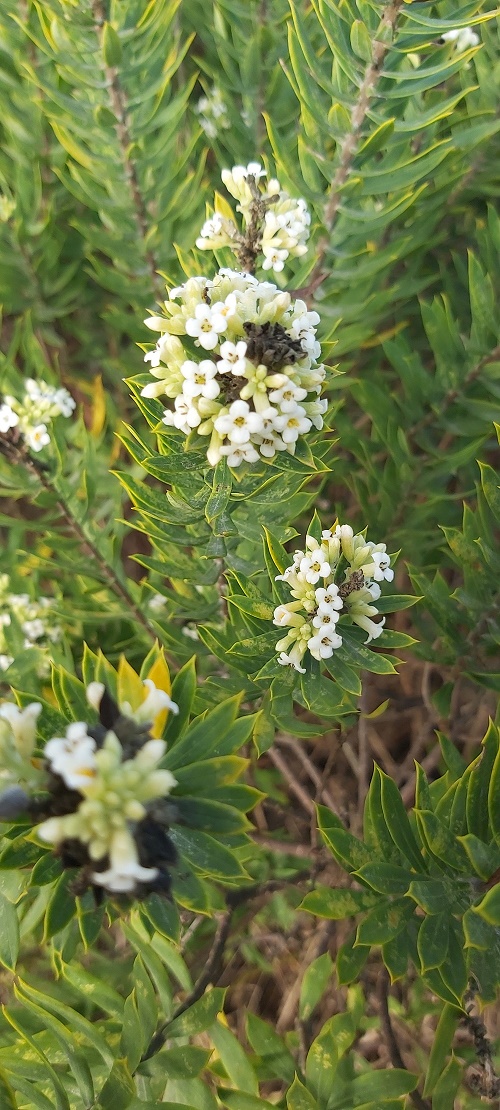
Wild Flowers in Portugal – Daphne Gnidium L. (Flax-Leaved Daphne)
Another Wild Wednesday. This week, I feature the Daphne Gnidium L. - Flax-Leaved Daphne. Photographs taken in the the Parque Natural do Sudoeste Alentejano e Costa Vicentina end of July and early August. The evergreen shrub grows between 1.5-2 metres tall. All parts of the shrub are poisonous. The flowers eventually turn to red berries... Continue Reading →
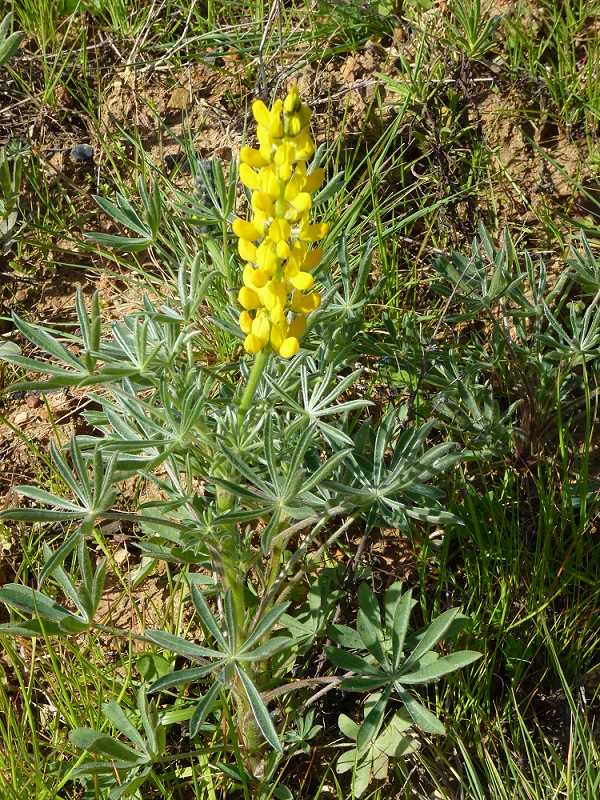
Wildflowers in Portugal: Tremocilha, Tremoceiro-amarelo -Yellow Lupin
For this week's Wild Wednesday in the Western Algarve I offer wild yellow lupins. These can usually be seen between March and August. Como citar este mapa F.Clamote, J.D.Almeida, A.Carapeto, P.V.Araújo, P.Beja, M.J.Correia, J.Lourenço, M.Porto, et al. (2024). Lupinus luteus L. - mapa de distribuição. Flora-On: Flora de Portugal Interactiva, Sociedade Portuguesa de Botânica. http://www.flora-on.pt/#wLupinus+luteus.... Continue Reading →
Garden Projects – How to Make a Birdhouse
Mr. Piglet wanted a new garden project, so I set him to work making a birdhouse. It's too late for this Spring, but the house will be ready for Autumn once the male birds start house hunting. I'd seen so many variations on YouTube I finally decided to use the dimensions on the http://www.rspb.co.uk https://www.rspb.org.uk/helping-nature/what-you-can-do/activities/build-a-birdbox... Continue Reading →
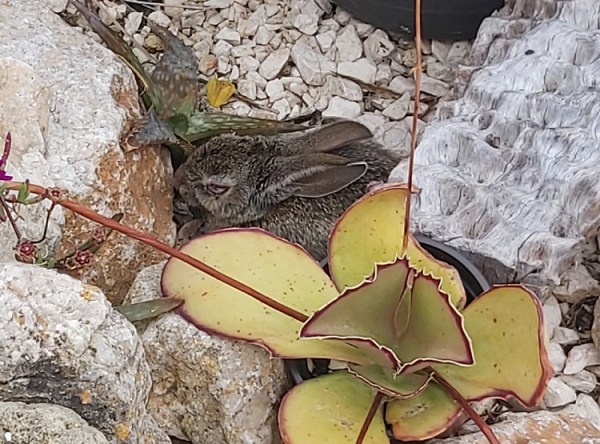
A NOT so Welcome Easter Bunny
Deep in thought with my latest gardening challenges, thrips and leaf miners, I walked towards the garage to check the various potions I had in stock. As I passed the cars I sensed movement in the front garden bed. I froze; we suspect a rat has recently taken up residence in our garden as a... Continue Reading →
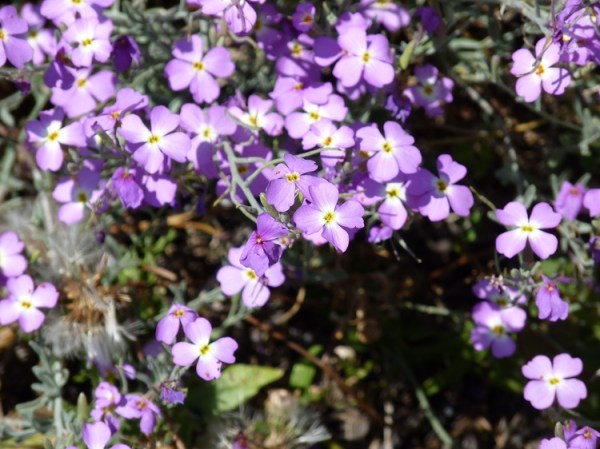
Wildflowers – Malcolmia Littorea (Sand Stock)
or Goivinho-da-praia in Portuguese. Malcolmia Littirea grows on the west coast of Portugal and flowers from February to July. I never realised they were related to Virginia Stock which I use to grow in my garden in the UK until I conducted some research to identify them. I seem to remember they had an amazing... Continue Reading →
Wildflowers: Lotus Creticus (Southern Bird’s Foot Trefoil)
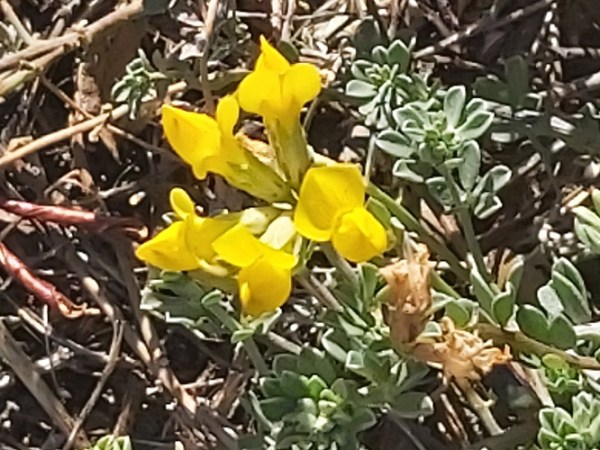
Lotus Creticus - Southern Bird's Foot Trefoil I have photographed the Southern Bird's Foot Trefoil, also known as the Trevo-de-Creta, in flower from November through to February and it is still flowering into March. It grows in gravel, in the crevices of pathways, and on the cliff tops near our house in the Western Algarve.... Continue Reading →
Wildflowers: Fumaria officinalis
Also known as : common ramping-fumitory Fumaria is a genus of about 60 species of annual flowering plants in the family Papaveraceae. The genus is native to Europe, Africa and Asia, most diverse in the Mediterranean region, and introduced to North, South America and Australia. Fumaria species are sometimes used in herbal medicine Source: https://en.wikipedia.org/wiki/Fumaria_officinalis... Continue Reading →
Wildflowers: Bermuda Buttercup
As I enjoy taking photographs of nature I decided to create a MEME called #WildWednesday. Every Wednesday I will be sharing a photograph of wild flora or fauna in my local area. Who will join me? How it works: Simply post a photograph to your blog with some relevant blurb if possible. Include the words... Continue Reading →
Why you should ALWAYS wear gloves when gardening in Portugal!
I usually always wear gloves when I'm gardening because of all the little beasties lurking in the soil or on the leaves of my plants. Guess what? On this occasion I got sloppy and I put my naked hands into my strawberry bed to do some weeding. I saw something lurking among the dead leaves... Continue Reading →
10 Useful Facts About The Carob Tree (Árvore de Alfarrobeiras)
Or should this be "10 useful facts I did not know about the Carob tree"? Lacking inspiration for this week's Wordpress Weekly Photo Challenge - theme: "Growth" , I stumbled across this picture of an old Carob tree (Árvore de alfarrobeiras). I'd taken the picture on our first geo-cache expedition and according to the accompanying blurb about... Continue Reading →